Ancient Chinese Junk Journal Paper: A Deep Dive into Historical Elegance
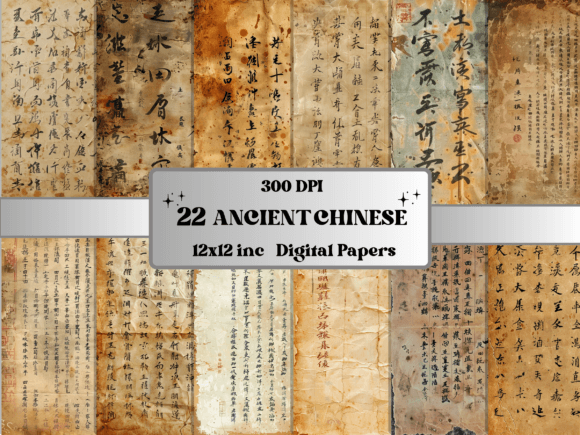
In the realm of design, texture often tells a deeper story than flat color ever could. When we talk about Ancient Chinese Junk Journal Paper, we are discussing more than just a digital asset; we are looking at a gateway to centuries of artistic heritage. This collection features 22 high-resolution files, offering a distinct aesthetic that blends the raw, tactile feel of aged ephemera with the refined beauty of traditional Asian calligraphy. For designers, marketers, and content creators, these textures provide an immediate sense of history and sophistication that modern, sterile backgrounds simply cannot replicate.
Visual Characteristics and Aesthetic Appeal
The core appeal of this collection lies in its authentic "distressed" look. Unlike standard digital papers, these textures mimic the physical degradation and softening of real materials over time. You will notice the subtle grain of aged paper, the slight yellowing that suggests decades of existence, and the ghostly impressions of Chinese Art Textures. The files feature a collage of elements—faded calligraphy strokes, traditional seals, and intricate patterns that evoke the feeling of a treasured artifact discovered in a forgotten drawer.
The color palette is intentionally muted, relying on earthy tones, sepia, and ink blacks that have faded to a soft grey. This creates a mood that is both nostalgic and sophisticated. For a designer, this means the background does not compete with the foreground content but rather supports it with a rich, visual depth. The visual hierarchy of your project is naturally enhanced because these textures provide a complex yet non-distracting foundation. Whether used as a full background or a torn piece of ephemera, the paper adds a layer of tactile realism that engages the viewer's imagination.
Strategic Applications in Modern Design
While the name suggests a specific cultural origin, the versatility of Asian Ephemera Scrapbook Pages extends far beyond traditional crafts. In the world of brand identity and packaging design, these textures are invaluable. Imagine a boutique tea brand or a luxury wellness company using these papers to wrap products or design labels. The association with ancient tradition immediately elevates the perceived value of the product, suggesting purity, timelessness, and careful craftsmanship.
For digital creators, the 300 DPI resolution ensures that these assets are not limited to screen use. They are premium font companions—meaning they pair beautifully with high-quality typography for print media. Here is how you can leverage them across different domains:
- Editorial Design: Use them as pull-quote backgrounds or sidebar textures in magazines and lookbooks to break up the monotony of standard text layouts.
- Web Design: In an era of flat design, adding a subtle Chinese Art Texture to a landing page header can create a memorable first impression, particularly for travel blogs, history sites, or luxury goods.
- Social Media Graphics: Instagram and Pinterest thrive on aesthetic consistency. Using these papers as overlays or backgrounds for quotes creates a cohesive, vintage-inspired feed that stands out against the noise of generic stock photos.
- Junk Journaling: For the hobbyist, these files are perfect for printing, cutting, and layering. They provide the structural backbone for journal pages, envelopes, and tags.
Design Mechanics: Hierarchy, Readability, and Pairing
Integrating a strong texture like Ancient Chinese Junk Journal Paper into a project requires a thoughtful approach to typography. Because these backgrounds are visually rich, they act as a display font in texture form. This means your actual typography needs to offer contrast. If you place a busy, handwritten font or an overly ornate script font directly over a detailed calligraphy background, the result will be illegible.
Instead, focus on clarity. A clean sans serif font often works best for body text, as the geometric simplicity of the letters contrasts sharply with the organic, flowing nature of the Chinese ink strokes. For headlines, you might choose a bold serif font that has a strong structure, allowing it to "pop" against the distressed paper. This contrast is the essence of good modern typography; it ensures that the readability remains high while the visual interest stays elevated.
When testing font pairing, consider the "personality" of the paper. If the texture feels rugged and heavily distressed, a delicate script font might look out of place. However, if the texture is a lighter wash with subtle ink marks, a flowing typeface could complement it perfectly. Always view your text on the actual texture at full scale before finalizing a design to ensure the legibility holds up.
Practical Guidance for Selection and Licensing
When selecting this collection, it is vital to consider the specific needs of your project. The set includes 22 unique files, offering variety, but you must evaluate the "weight" of the texture. For logo design or small icons, you will likely need to use only a tiny, unobtrusive fragment of the paper, or perhaps just a color sampled from it. For large-scale wall art or packaging design, you can utilize the full 12x12 inch scope of the files.
From a professional standpoint, understanding the file specifications is key. At 300 DPI, these files are print-ready, which is a significant advantage over lower-resolution web assets. This makes them reliable design assets for commercial printing, such as book covers, posters, and stationery. However, always review the licensing terms associated with commercial fonts and assets to ensure your specific usage—whether for a client project or a physical product for sale—is covered.
Ultimately, Ancient Chinese Junk Journal Paper is about storytelling. It allows you to inject a narrative of history and culture into your work without needing to be a historian or a painter. By using these textures strategically, you create an emotional connection with your audience, transforming a standard design into an immersive experience. Whether you are a small business owner crafting a brand story or a hobbyist preserving memories, these papers offer a bridge between the digital world and the tactile beauty of the past.