Geometric Pattern Design: Blending 80s and 90s Style for Modern Use
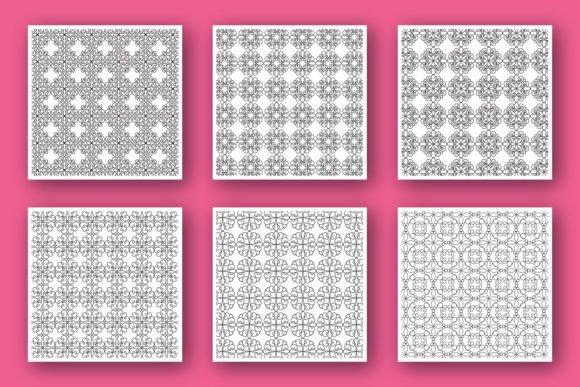
There is a distinct energy that comes from combining the digital precision of the 1980s with the chaotic, colorful aesthetics of the 1990s. When we talk about Pattern Design in this specific context, we are looking at a fusion of two distinct eras. On one side, you have the seamless abstract maze patterns—tight, algorithmic, and hypnotic. On the other, you have the Memphis style—playful, asymmetrical, and bold. Together, they create a visual language that is both nostalgic and incredibly relevant for today’s design landscape.
For designers, entrepreneurs, and content creators, these patterns are more than just background noise. They are tools for storytelling. The visual characteristics of these vectors—defined by sharp geometric shapes, high-contrast color palettes, and rhythmic repetition—offer a personality that is confident and energetic. Unlike subtle textures that fade into the background, a geometric Memphis seamless pattern demands attention while maintaining a professional structure.
Visual Characteristics and Personality
The core appeal of this style lies in its versatility within a specific geometric framework. The "maze" aspect refers to the linework—interconnected paths that guide the eye, creating a sense of movement and complexity. This is often balanced by the "Memphis" influence, which introduces solid geometric shapes like triangles, circles, and squiggles. The result is a type of modern typography for the background world; it treats the canvas like a page of a book, where the pattern acts as the primary text.
From a brand strategy perspective, these patterns signal innovation and creativity. If you are building a brand identity for a tech startup, a fashion line, or a creative agency, utilizing a vector background illustration set like this establishes a tone of forward-thinking sophistication. It avoids the generic feel of standard stock photography. Instead, it offers a curated, premium font style of visual background that suggests the brand pays attention to detail.
Real-World Applications: From Digital to Tangible
The practical value of this Pattern Design lies in its adaptability. Because the files are provided in high-resolution formats and editable vectors (AI), they bridge the gap between digital marketing and physical manufacturing. This is not just for web design or social media graphics. The seamless nature of these assets makes them ideal for product manufacturing.
Consider the textile industry. A seamless pattern is crucial for items like sofa covers, curtain designs, and carpet design. If the repeat is not perfect, the seams become visible, cheapening the product. With a high-quality vector set, you can scale the design to fit a small mouse pad or a large area rug without pixelation. This consistency is vital for maintaining professionalism in product design.
For the fashion and accessories sector, these designs translate beautifully onto apparel, tote bags, belts, and ladies' bags. The 90s style Memphis pattern, in particular, brings a retro-cool vibe to hoodies and shoe designs. It allows small business owners to create distinct merchandise lines that stand out in a crowded market. The ability to edit the colors in Illustrator means you can adapt a single pattern to fit seasonal collections—warm tones for autumn, cool pastels for spring—ensuring your product line remains cohesive.
Design Strategy and Execution
When integrating these patterns into your projects, think about visual hierarchy. A busy, high-contrast maze pattern is excellent for backgrounds where text needs to pop, provided the colors are managed correctly. However, for packaging design or editorial design, you might need to adjust the opacity or the color palette to ensure it doesn't overpower the main content.
Here is a practical approach to using these assets effectively:
- Color Customization: Do not stick to the default colors. Edit the vectors to match your specific brand palette. This turns a generic asset into a bespoke part of your brand identity.
- Scale Variation: Experiment with the scale of the pattern. A zoomed-in view of the geometric shapes creates an abstract texture, while a smaller scale creates a dense, fabric-like weave.
- Contextual Testing: Before finalizing a design for a mobile cover or a wedding invitation card, mock it up. Visualize how the pattern interacts with lighting and material textures. Does the maze pattern lose clarity on a curved phone case? Does the Memphis style clash with the typography on the invitation?
Licensing and File Management
For creative professionals, the technical specifications of design assets are just as important as the aesthetics. When working with vector sets, specifically those containing 30 AI files, JPGs, and PNGs, organization is key.
The inclusion of transparent PNGs is particularly useful for web designers and content creators who may not have access to Adobe Illustrator. It allows for quick drag-and-drop application in tools like Canva or Figma. However, the true power lies in the AI files. These allow you to manipulate individual nodes, change stroke weights, and merge shapes, effectively giving you an infinite number of variations from a single source file.
When selecting a premium font or pattern set, always verify the licensing. Most assets intended for commercial use allow you to incorporate them into products for sale (like merchandise or digital templates), but they usually restrict the resale of the raw asset files themselves. Understanding this distinction is crucial for entrepreneurs to avoid legal pitfalls.
Ultimately, these geometric patterns serve as a bridge between the analog past and the digital future. They provide a robust foundation for projects that require a blend of energy, structure, and style. By leveraging the editable nature of these vectors, you can ensure your visual content remains unique, consistent, and aligned with your strategic goals.