Classic Mahjong Tiles Digital Paper: A Designer's Asset
There is a specific kind of creative block that happens when you're staring at a blank canvas, whether it's a new website layout or a stack of wedding invitations. You have the concept, but the background texture feels flat or generic. That is where Classic Mahjong Tiles Digital Paper steps in. It isn't just a pattern; it is a curated set of design assets that brings a sense of heritage, strategy, and intricate beauty to your projects. For designers, entrepreneurs, and hobbyists alike, this collection offers a distinct visual language that balances tradition with modern versatility.
The Visual Character of the Mahjong Aesthetic
When we talk about Classic Mahjong Tiles Digital Paper, we aren't just describing a repeating image of game pieces. We are talking about a specific visual personality. The design language is rooted in the iconic imagery of the game: the crisp bamboo sticks, the intricate "wan" (character) symbols, and the circular "bing" (dots). These elements provide a high-contrast, graphic look that stands apart from standard floral or geometric patterns.
The appeal lies in its graphic weight. Unlike a subtle linen texture or a watercolor wash, Mahjong tiles have strong outlines and defined shapes. This gives the digital paper a sense of structure and order. For a designer, this means you have a background that adds visual interest without becoming chaotic. The tiles create a natural rhythm and repetition that guides the eye, making it an excellent choice for projects where you need to establish a sophisticated, game-inspired, or East-meets-West aesthetic.
Strategic Applications for Modern Creators
The versatility of these digital papers is where their true value lies for content creators and small business owners. Because the files are high-resolution (300 DPI) and in RGB color space, they are optimized for both digital and print design.
Branding and Marketing Materials
For businesses in the gaming, entertainment, or lifestyle sectors, this pattern can become a cornerstone of your brand identity. Imagine using this as the background for a podcast cover art, a social media carousel, or a newsletter header. It instantly communicates a theme of strategy, luck, and classic entertainment. It works exceptionally well as a packaging design element for board game cafes, specialty tea brands, or artisanal products looking for a vintage, cultured vibe.
Editorial and Web Design
In editorial design, a busy background can kill readability. However, the tiled nature of Mahjong paper often allows for strategic use. You might use it as a full-bleed background for a magazine cover with bold typography, or as a sidebar texture in a blog layout. When using it for web design, consider it for hero sections where you want to make an immediate visual impact, or as a repeating pattern for e-commerce product pages related to hobbies and crafts.
Crafts, Scrapbooking, and Events
Beyond the screen, these files shine in the world of physical creation. If you are into digital scrapbooking, these tiles provide a rich, textured backdrop for family photos or travel journals, particularly those documenting trips to Asia or game nights. For party packs and invitations, the pattern is instantly recognizable. It’s perfect for a Mahjong-themed bridal shower, a casino night, or a sophisticated birthday party. The high resolution ensures that even when printed on large formats like posters or banners, the lines remain sharp and the colors vibrant.
Design Principles: Pairing and Hierarchy
Working with a patterned background requires a thoughtful approach to visual hierarchy. Because Classic Mahjong Tiles Digital Paper has a strong visual presence, your typography needs to compete for attention.
When it comes to font pairing, avoid using overly ornate or complex typefaces. If your background is busy, your text needs to be legible. Consider pairing the Mahjong pattern with a clean, sans serif font for body text. The geometric simplicity of a sans serif will contrast nicely with the organic shapes of the tiles. For headlines, a bold serif font or a structured display font can complement the traditional feel of the game pieces.
One practical technique is to use a "knockout" or overlay. Place a semi-transparent white or dark shape over the digital paper to create a safe zone for your text. This allows the texture of the tiles to show through while ensuring your message remains the focal point. This is a standard practice in modern typography and helps maintain professionalism in your layout.
Technical Specifications and Workflow
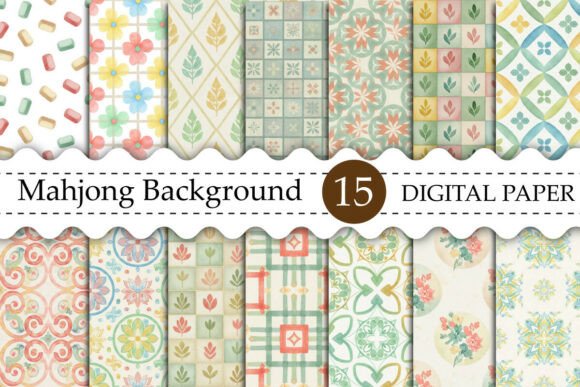
For the professional creator, the technical details of a design asset matter. These files are delivered as a ZIP folder containing 15 individual JPG files. Having 15 variations is a significant advantage. It allows you to select the specific density, color tone, or tile arrangement that best fits your current project.
The 300 DPI resolution is the industry standard for high-quality printing. This means you can confidently use these papers for commercial printing projects—business cards, brochures, flyers—without worrying about pixelation. The RGB color mode is optimized for digital screens, ensuring that your website graphics and social media posts look vibrant and true to color.
Evaluating Fit and Licensing
Before integrating any asset into a commercial project, it is vital to understand the usage rights. These digital papers are intended for a wide range of uses, from personal scrapbooking to commercial logo design backgrounds. However, as a best practice for any commercial font or asset, always review the license to ensure it covers your specific application, whether you are selling finished products like printed planners or using the pattern in a client’s branding package.
Ultimately, Classic Mahjong Tiles Digital Paper offers a bridge between classic gaming culture and contemporary design. It provides a rich, textured foundation that can elevate a project from simple to striking, offering endless possibilities for those willing to play with pattern and layout.